The Rise of Cloud Gaming: What It Means for Game Marketing and Players
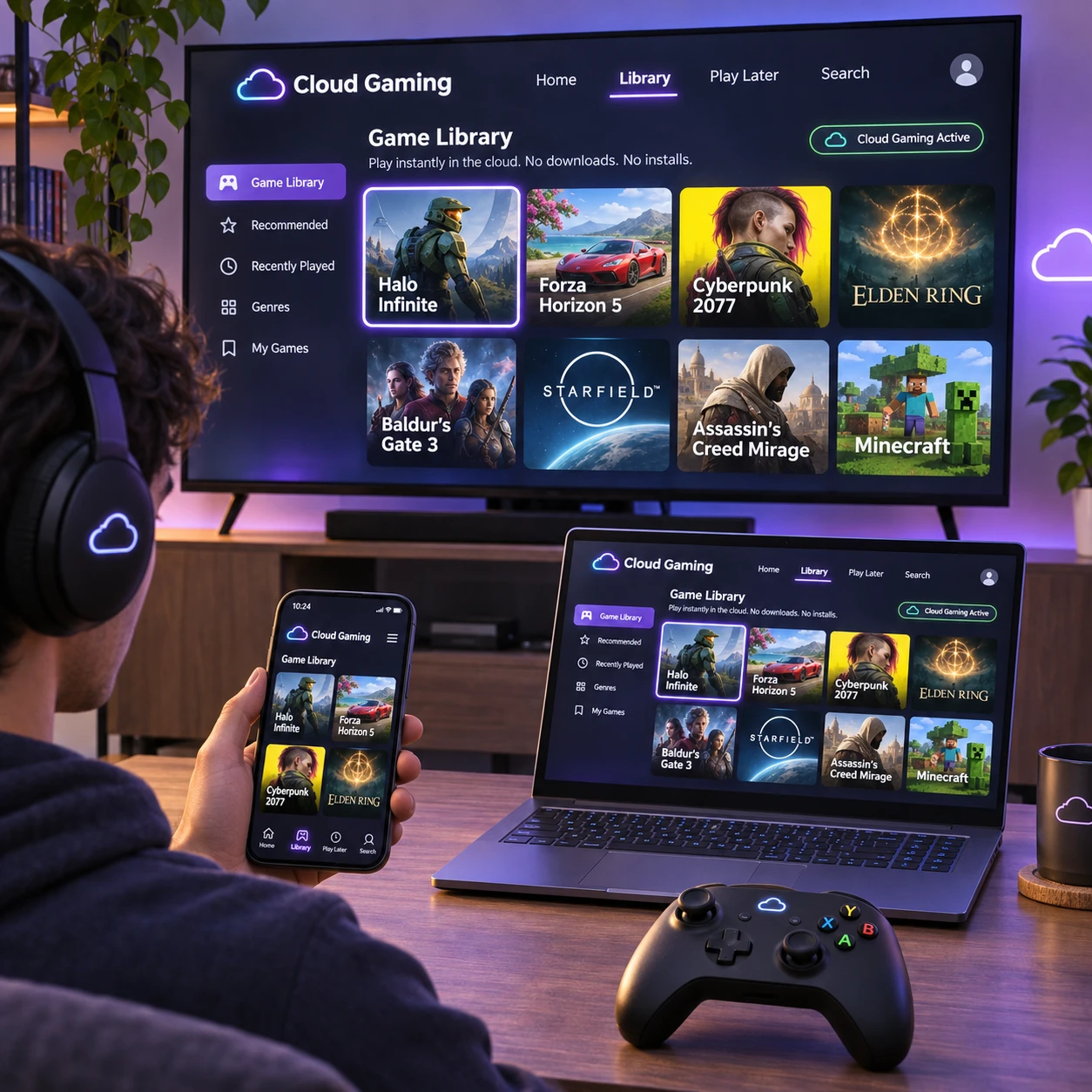
Cloud gaming is changing how players find and try games, even when they still prefer to buy and install titles on a console or PC. By streaming games from remote servers, game streaming services can reduce the need for downloads and make a large catalog feel immediately accessible. That shift affects more than convenience: it changes how publishers promote games, how digital storefronts compete for attention, and how players judge a deal.
For deal hunters and review readers, the key question is not simply whether cloud gaming is cheaper. It is whether a particular game is available, performs well on a chosen service, and offers enough value before it leaves a subscription library or a promotion ends.
What cloud gaming changes for players
Cloud gaming streams a game from a remote server to a compatible screen, so players can often start without downloading the full game. Local gaming runs the game on a console, PC, or handheld, while cloud access depends on an internet connection and the service’s supported devices.
That difference can make trying a game quicker. A player may move from browsing a subscription library to playing in minutes, rather than waiting for a large download or clearing storage space. Some services also let players switch between devices, though saves, supported platforms, and account requirements vary.
The convenience comes with trade-offs. Streaming quality depends on connection stability, latency, and the provider’s infrastructure. Fast reactions in a competitive shooter or fighting game can feel different over a stream than on local hardware, while a slower-paced strategy or adventure game may be less sensitive to latency. Data caps and network congestion can matter, too.
Cloud access also changes what “having a game” means. A subscription may provide access while a title remains in the catalog and the membership stays active; a purchase usually provides a license tied to a platform account, subject to that store’s terms. Neither option guarantees permanent, unrestricted access, so players should check the service and platform details before committing.
How streaming services shape game discovery
Streaming services shape game discovery by placing titles inside searchable catalogs, personalized recommendations, and featured collections. This can help players sample unfamiliar games, but it also makes visibility within the service a major challenge for publishers.
A well-positioned game tile or curated collection can prompt a player to try a title they would not have searched for directly. Recommendations may draw on browsing or play activity, while editorial features can spotlight a genre, new release, or seasonal theme. In a subscription library, the low-friction option of pressing play can encourage exploration beyond a player’s usual purchases.
Still, availability is not the same as discovery. A catalog can contain hundreds of games, and a title buried below prominent placements may receive little attention. Digital storefronts and streaming apps use different interfaces, so a game’s visibility can vary between services and even between devices.
Players can make recommendations more useful by checking the game’s genre, play length, multiplayer features, and review consensus rather than relying on a featured badge alone. Publishers, meanwhile, have to compete for attention through clear store pages, trailers that show actual play, and promotions that give players a reason to start now.
The marketing implications for game publishers
Cloud gaming gives publishers more ways to reduce the barrier to trying a game, especially through subscription placements, trials, and promotions. In return, they must compete for catalog visibility and find ways to turn a short trial into lasting interest.
Traditional marketing often focuses on a purchase decision: show the game, explain its value, and persuade the player to buy. In a streaming-first setting, the first conversion may instead be a click, a trial, or a session inside a subscription library. That can broaden player acquisition, but a start does not guarantee completion, a purchase, or long-term engagement.
Publishers may use several routes to reach players:
- Subscription placement: A game enters a service’s library, potentially reaching members who would not buy it at full price. The publisher must weigh that exposure against the terms of the deal and the game’s other sales channels.
- Featured promotion: Placement on a storefront or service can lift awareness, but attention may be temporary and shared with competing releases.
- Free trials and demos: A short, accessible sample lets players judge the experience. It works best when the opening hours clearly represent the game that follows.
- In-game marketing: Updates, events, and optional content can bring players back. These efforts need to support the experience rather than interrupt it or pressure players into spending.
Marketing also has to match the product to the service. A game with long sessions, online requirements, or precise controls may need a different pitch from a short, casual title. Honest messaging about supported devices and multiplayer access helps avoid disappointment and builds trust.
What cloud gaming means for game deals
Cloud gaming does not make subscriptions automatically cheaper than buying games. The better value depends on how many included titles you will play, how long you need access, and whether you want to keep returning to a game after it leaves a catalog.
Use a simple access, use, and exit check when comparing offers. First, confirm that the game is available in your region and on your device. Next, estimate how often you will play it during the subscription period. Finally, consider what happens when the offer ends: can you buy it, keep cloud access, or continue only on another platform?
For example, a player who wants to try several games over one month may find a subscription useful, particularly if those games are included already. Someone planning to replay one long role-playing game for months may prefer a discounted purchase, especially if the local version is supported and they value continued access under the platform’s license terms.
Compare the full cost, not just the advertised price:
- Check whether the subscription tier includes cloud play, the game, or both.
- Look for introductory pricing, renewal dates, and automatic-renewal terms.
- Compare a subscription’s cost over your expected play period with the current sale price.
- Check whether downloadable or local play is available as a fallback.
- Confirm whether add-ons, expansions, and multiplayer access cost extra.
Catalogs and discounts change. A deal that looks excellent today may be less useful if a title is close to leaving the service or if the subscription tier does not support the device you own. For a game you want to keep playing, ownership value and convenience deserve as much attention as the lowest short-term price.
Reviews and recommendations in a streaming-first market
Reviews in a streaming-first market need to consider performance, availability, and access terms alongside gameplay quality. A strong game can still be a poor fit for a particular player if it streams badly on their connection or disappears from the service before they finish it.
Gameplay remains central: reviewers should assess controls, story, design, accessibility, and technical condition. But a useful cloud gaming review also identifies the service and device tested, notes connection-related caveats, and distinguishes streamed performance from local performance. Results can vary by location, network, and time of day, so a single test cannot promise the same experience for everyone.
Availability matters to recommendations as well. A game included in one subscription library may require a separate purchase elsewhere, and catalog membership can change. When a review recommends a title, readers benefit from knowing whether the recommendation assumes a subscription, a discount, or a full-price purchase.
That context makes recommendations more actionable. Instead of calling a game a “must-play” in isolation, a reviewer can say who is likely to enjoy it, how long it takes to reach its strongest features, and whether waiting for a sale makes sense. Players should also distinguish an editorial review from a storefront rating, which may reflect different expectations and may not explain the reviewer’s setup.
What players should watch for next
Players choosing cloud gaming should check service access, game availability, device support, and the terms behind each offer. A quick check before subscribing or buying can prevent paying for a catalog or feature that does not match how you play.
Start with the games you actually want, not the size of a library. Search each service for those titles, confirm whether cloud play is included, and check supported regions and devices. Then review renewal pricing and cancellation terms. If possible, test a free trial or a game you already own before relying on cloud access for a long campaign.
Keep an eye on catalog changes and price history, too. If a game is leaving a subscription soon, compare the time remaining with your likely playtime. If a purchase is on sale, consider whether the platform supports the way you want to play and whether the discount is better than the cost of temporary access.
Cloud gaming is expanding the ways players discover and access games, but local purchases, consoles, and PCs remain relevant. The practical choice depends on the title, the service, and the player’s habits. Treat streaming as another route to a game, then compare its convenience and limits with the value of a direct purchase.
Frequently asked questions
How does cloud gaming affect game discovery?
Cloud gaming can make discovery quicker because players can often launch a catalog game without a lengthy download. Recommendations and featured placements can expose players to unfamiliar titles, although crowded libraries mean some games may be hard to find.
Is a subscription library better value than buying games?
It depends on how many included games you will play and how long you want access. A subscription can suit someone sampling several titles; buying at a discount may suit someone focused on one game they want to revisit.
Can cloud gaming change how games are marketed?
Yes. Publishers can promote a game through subscription placement, trials, and streaming-service features, making a first play session an important marketing goal. They still need to turn that first try into ongoing interest without relying on visibility alone.
What should players check before choosing a cloud gaming service?
Check that the service operates in your region, supports your device, and includes the games you want. Review connection requirements, subscription tiers, renewal terms, catalog changes, and whether local or downloadable play is available as an alternative.