The Impact of Social Media Influencers on Game Sales
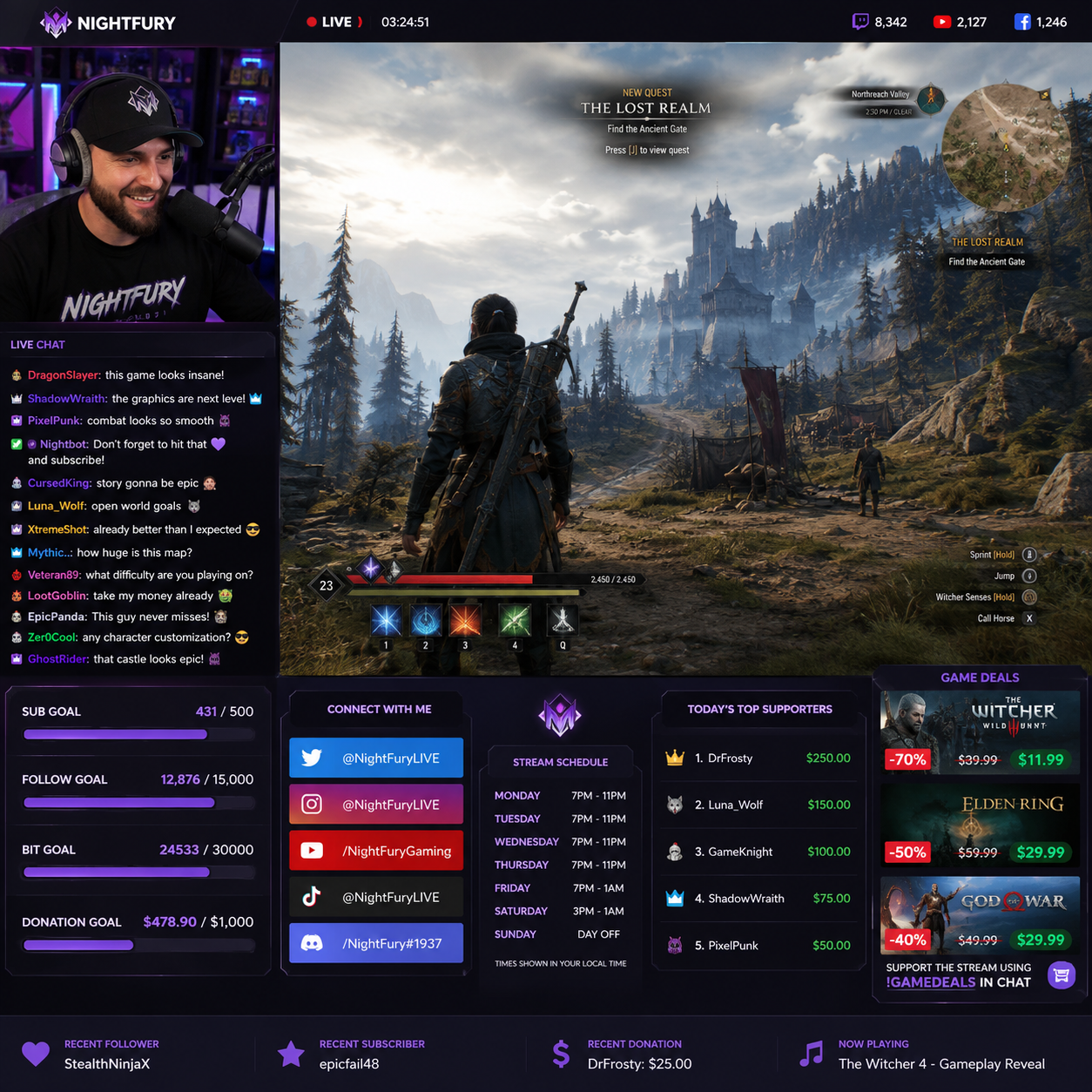
Social media influencers have become a major force in video game discovery. A recommendation on YouTube, Twitch, TikTok, Instagram, or another platform can introduce a game to millions of potential players before traditional advertising reaches them.
The effect on video game sales depends on more than follower count. Livestreams, game reviews, gameplay videos, sponsored content, community discussion, price visibility, and the creator’s relationship with an audience can all influence whether interest becomes a purchase. For shoppers, influencer content is useful evidence, but it should be weighed alongside independent reviews, platform requirements, performance information, and the actual value of a deal.
How Influencers Have Changed Game Discovery
Influencers have changed game discovery by placing real gameplay, reactions, and player discussion directly in front of audiences that may never visit a traditional game website. Their content often helps people find, evaluate, and discuss games in one continuous process.
Previously, players commonly discovered releases through magazine previews, publisher advertisements, storefront browsing, or word of mouth from friends. Those channels still matter, but creator content adds an immediate demonstration. A viewer can watch a game in action, hear a reaction, ask questions in chat, and see whether other players share the same enthusiasm.
This matters particularly for unfamiliar genres and independent games. A creator who regularly covers strategy games may bring a niche title to an audience already interested in complex systems. A short-form video can also make a game visible during a viral moment, while longer videos provide context about its mechanics, story, difficulty, and technical quality.
Discovery also happens through conversation. Comments, Discord communities, Reddit discussions, livestream chats, and social posts turn one creator’s opinion into a wider purchasing conversation. The result is a faster route from awareness to consideration, although visibility should never be confused with quality.
The Main Ways Influencers Drive Game Sales
Influencers drive game sales through several forms of content, each serving a different stage of the buying journey. Livestreams and gameplay videos demonstrate the experience, reviews interpret it, and short-form recommendations create rapid awareness.
Livestreaming and gameplay videos
Livestreaming gives viewers an extended look at a game’s systems and pacing. They may see combat, menus, loading times, difficulty spikes, multiplayer interactions, or repetitive sections that a polished trailer would omit. Live chat adds social proof because viewers can compare reactions in real time.
Gameplay videos work in a similar way but offer better convenience. A ten-minute video focused on a game’s opening hours or core loop can answer practical questions before purchase. This is especially valuable for games where screenshots reveal little about controls, progression, exploration, or replayability.
Reviews and recommendations
Game reviews help audiences interpret what they see. A creator might explain whether a title suits players who prefer relaxed exploration, competitive multiplayer, demanding action, or story-led adventures. Personal recommendations are often more persuasive when they include clear reasons and acknowledge weaknesses.
Short-form videos and community discussion
Short-form social content can deliver a memorable mechanic, funny moment, visual style, or surprising comparison in seconds. It rarely provides enough detail for a complete purchasing decision, but it can move a game onto a player’s wishlist.
Once interest begins, community discussion can strengthen or weaken it. Questions about bugs, updates, age ratings, downloadable content, and multiplayer population may reveal information that a single video cannot. Influencer marketing works best when it starts a useful investigation rather than ending it with an impulse purchase.
Why Influencer Recommendations Affect Buying Decisions
Influencer recommendations affect buying decisions because audiences often perceive familiar creators as relatable sources of experience, and real gameplay reduces uncertainty about an unfamiliar product.
Trust develops through repeated contact. Viewers learn a creator’s preferences, standards, humor, and tolerance for flaws. A player may understand that one reviewer is highly critical of performance issues while another prioritizes narrative and atmosphere. That context helps the audience interpret a recommendation instead of treating it as a universal verdict.
Personality also matters. A creator’s enthusiasm can make a game feel socially relevant, while a detailed explanation can give a hesitant buyer confidence. Seeing someone play provides a stronger impression of controls and moment-to-moment enjoyment than a store description alone.
Social proof adds another layer. A busy livestream, active comment section, or large number of gameplay uploads can signal that a game has an interested community. That signal can affect multiplayer purchases in particular, because players want confidence that other people will still be online.
There are limits, though. A creator’s priorities may differ from yours. Someone who plays eight hours a day may tolerate grinding that feels tedious to a weekend player. A competitive streamer may focus on balance and frame rate, while a casual buyer cares more about accessibility and local multiplayer. Trust is useful context, not a substitute for personal fit.
Influencers and Game Launches, Deals, and Discounts
Influencers can strengthen game launches and make game deals more visible by concentrating attention around release dates, review periods, seasonal sales, and limited-time discounts.
Before launch, creator previews and sponsored demonstrations can build familiarity with a new title. On release day, livestreams may create a shared event that encourages viewers to join early. This visibility can be particularly valuable for multiplayer games, where a strong initial player base supports matchmaking and community momentum.
Influencers also affect sales after launch. A later update, expansion, performance patch, or viral clip can renew interest in a game that initially received little attention. During major discount events, a creator may point out that a title has reached a lower price, entered a bundle, or become available on a new platform.
Deal coverage can reduce the psychological barrier to buying, but urgency requires caution. A discount is only valuable if the game fits your interests and the reduced price is genuinely competitive. Check the offer’s end date, platform, edition, included downloadable content, region, and refund rules before purchasing.
For deal-focused shoppers, the most useful influencer content connects enthusiasm with practical information: current price, edition differences, expected playtime, update status, and whether the title performs well on the intended hardware. A creator may generate demand, but a careful price comparison determines whether the purchase is sensible.
Sponsored Content Versus Independent Game Reviews
Sponsored content is paid promotional material, while an independent game review expresses an editorial opinion; both can help with discovery, but they should not be interpreted in the same way.
A sponsored video may be commissioned by a publisher, developer, platform, or marketing agency. The creator may receive money, early access, equipment, or another benefit. Sponsorship does not automatically make the content dishonest, but it creates a commercial relationship that viewers should know about.
Independent reviews generally give the creator greater control over conclusions, timing, and criticism. Even then, independence can vary. Early access, affiliate links, advertising relationships, and personal preferences may shape how a review is produced or perceived.
Look for clear disclosure near the beginning of a video or in the written description. In the United States, the Federal Trade Commission’s guidance for social media influencers explains that material connections should be disclosed clearly and conspicuously. Disclosure helps audiences judge the content with the right context.
When assessing a review, ask whether it discusses drawbacks as well as strengths. Does it identify the platform tested, explain technical performance, and distinguish personal taste from measurable problems? A polished sponsored demonstration may show what a game can do, while a critical review may explain how consistently it delivers that experience.
Limitations and Risks of Influencer-Driven Sales
Influencer-driven sales carry risks because popularity can amplify hype, limited impressions, commercial bias, and poor value as quickly as it amplifies useful information.
- Hype can outrun evidence: A viral clip may highlight an exceptional moment rather than the full game. Viewers may buy before learning about repetition, bugs, server issues, or missing features.
- The audience may not match the buyer: A creator’s platform, skill level, and preferences can produce a recommendation that works for their community but not for a different player.
- Early impressions can be incomplete: Launch-day coverage may occur before patches, endgame content, or long-term multiplayer conditions become clear.
- Undisclosed sponsorships weaken trust: If viewers do not know about a commercial relationship, they cannot fairly assess the recommendation.
- A deal can create false urgency: A limited-time offer may encourage spending on a game that will soon receive a deeper discount or was never a good personal fit.
These risks do not make influencer content worthless. They show why one enthusiastic video should function as a starting point. Check broader game reviews, recent player feedback, technical reports, and historical pricing when the purchase is expensive or irreversible.
How Players Can Use Influencer Content Wisely
Use influencer content wisely by separating discovery, evidence, and value: watch enough gameplay to understand the experience, compare multiple opinions, and verify the price before buying.
A practical buying framework
- Identify the claim. Is the creator saying the game is visually impressive, mechanically deep, relaxing, competitive, or simply funny to watch? A specific claim is easier to test than general excitement.
- Watch representative gameplay. Look beyond a trailer or viral clip. Check the core loop, interface, difficulty, progression, performance, and the parts you expect to play most.
- Compare different viewpoints. Use at least one creator whose tastes resemble yours and one independent review that discusses weaknesses. For multiplayer games, seek current information about matchmaking and player activity.
- Verify the deal. Compare the price across official storefronts and reputable retailers. Confirm the platform, edition, region, subscription requirements, downloadable content, and return policy.
- Test personal fit. Consider your available time, hardware, accessibility needs, preferred genres, and tolerance for live-service updates or in-game purchases.
- Wait when uncertainty is high. A short delay can reveal performance patches, user feedback, and better discounts. Waiting is often sensible when a launch lacks clear information.
This framework prevents a common mistake: treating a creator’s excitement as proof that a game deserves your money at today’s price. Influencers are excellent filters for finding possibilities. Players still need to make the final value judgment.
Frequently Asked Questions About Influencers and Game Sales
How do influencers promote video games?
Influencers promote video games through livestreams, gameplay videos, reviews, short-form clips, launch previews, sponsored content, affiliate links, giveaways, and community discussions. These formats build awareness and can direct viewers to a store page or discount.
Do gaming influencers increase game sales?
Gaming influencers can increase game sales by expanding reach, demonstrating gameplay, creating social proof, and drawing attention to launches or discounts. Their effect varies with audience fit, credibility, content quality, game availability, price, and the strength of the product itself.
Are influencer game reviews trustworthy?
Influencer game reviews can be trustworthy when they disclose sponsorships, explain their review conditions, discuss drawbacks, and distinguish personal preference from technical performance. Compare several reviews before making an expensive purchase.
How can influencers affect game launch success?
Influencers can affect game launch success by creating pre-release awareness, concentrating attention on release day, demonstrating multiplayer activity, and encouraging early purchases. Poor launch performance, unclear disclosures, or a mismatch between hype and the finished game can reverse that effect.
Should players buy a game because an influencer recommends it?
Players should treat an influencer recommendation as a useful signal rather than a final instruction. Watch representative gameplay, check independent reviews, compare the deal, and decide whether the game matches your preferences and budget.
Social media influencers can shape demand across the entire game-buying journey, from first discovery to launch-day enthusiasm and discount awareness. Their strongest contribution is showing how a game feels in practice. The safest purchase decision combines that firsthand-looking content with transparent sponsorship information, multiple reviews, platform checks, and careful price comparison.