In-Game Advertising: Trends, Benefits, and Challenges
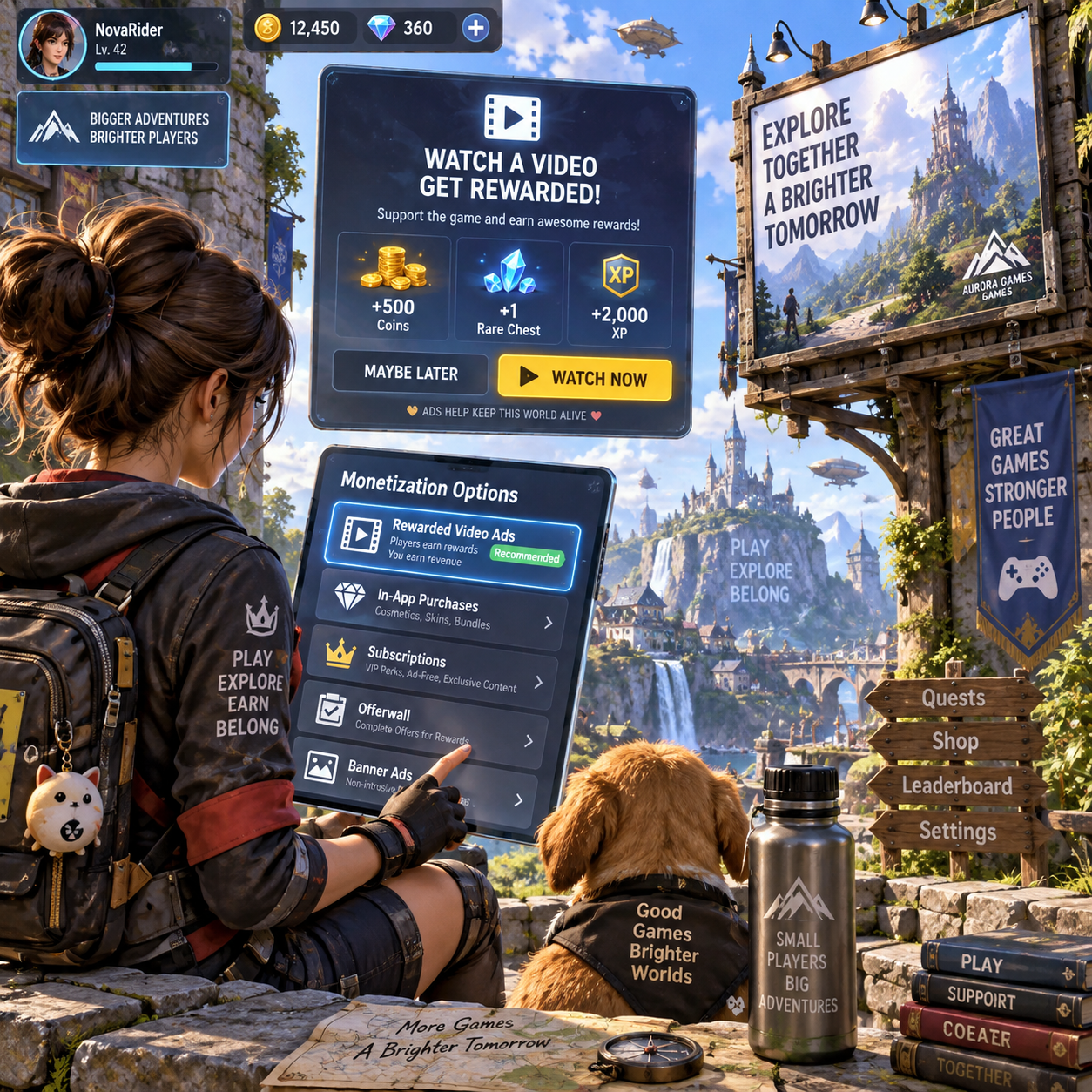
In-game advertising has become a central part of modern game monetization, particularly in free-to-play games. Ads can help players access games without an upfront purchase, while giving game developers and publishers revenue to fund servers, updates, support, and new content. The trade-off depends on execution: an optional reward can feel fair, while a poorly timed interruption can damage the entire player experience.
What Is In-Game Advertising?
In-game advertising is the use of advertisements inside a video game, either as a direct interruption, an optional reward opportunity, or a natural part of the game world. It appears across mobile, PC, console, browser, and cloud-based games, with formats chosen according to the genre and business model.
A mobile puzzle game may show a short video after a completed level. A racing game might place virtual billboards beside the track, while a sports title can use branded stadium signage. In a free-to-play role-playing game, advertising may offer extra energy, currency, or a second chance after defeat.
The commercial model matters. Free-to-play games usually depend on a combination of advertising, optional purchases, battle passes, cosmetic items, or subscriptions. Premium games may use product placement or sponsored environments without showing conventional ad screens. In each case, the goal is to generate income while keeping enough players engaged to support the game over time.
Advertising also differs from ordinary downloadable content. A paid expansion gives the player a permanent feature or content package, whereas an advertisement usually creates value for the publisher through an external sponsor or advertising network.
Major Types of In-Game Ads
The major in-game ad formats are rewarded video ads, banner and display ads, interstitial ads, and product placement. Their effect on gameplay ranges from entirely optional to highly disruptive, so format is one of the most useful things to check before reviewing a game.
Rewarded video ads
Rewarded video ads give players an in-game benefit after they voluntarily watch a short advertisement. Typical rewards include extra lives, premium currency, crafting materials, faster upgrades, or a temporary multiplier.
This format often produces the clearest exchange: the player gives time and attention, then receives a defined benefit. Good implementation makes the reward optional and explains its value before playback begins. Problems arise when the reward is so powerful that players feel forced to watch ads to progress at a reasonable pace.
Banner and display ads
Banner and display ads occupy a fixed area of the interface, such as the bottom of a mobile screen, a menu panel, or a loading screen. They usually create less interruption than full-screen video, but they can reduce visibility, distract from controls, or feel especially intrusive during smaller-screen gameplay.
Interstitial ads
Interstitial ads appear between gameplay moments, commonly after a level, match, or failed attempt. A short ad at a natural pause may be tolerable. An ad that appears after every action, blocks the interface, or makes the close button difficult to find quickly becomes a major complaint.
Product placement and immersive advertising
Product placement integrates a real brand into the game world through billboards, clothing, vehicles, storefronts, or branded equipment. When it matches the setting, it can add realism without stopping play. When it looks out of place, it can weaken immersion.
Other formats include playable ads, offer walls, sponsored challenges, and dynamic in-game advertising that changes according to region, time, or campaign. These systems may improve relevance, but they also increase the importance of clear privacy controls and transparent data practices.
Current Trends in In-Game Advertising
Current in-game advertising trends favor less disruptive placements, more personalized delivery, and closer integration with free-to-play experiences. Developers are increasingly testing ways to earn revenue without making players feel that normal gameplay has been placed behind an ad gate.
One important shift is toward choice-based advertising. Rewarded videos and optional sponsored challenges let players decide when an ad is worth their time. This approach can support retention because the player retains control, although excessive reward dependence can still make the game feel unbalanced.
Personalized advertising is another major trend. Ad targeting may consider broad factors such as language, device type, location, or gameplay context. More precise targeting can improve relevance, but it raises questions about data collection, consent, profiling, and whether players understand how their information is used. Privacy laws and platform policies continue to shape what advertisers and publishers can do.
Immersive advertising is also expanding. Dynamic billboards in sports, racing, and open-world games can change without requiring a full game update. The advantage is flexibility for publishers and a more natural presentation for players. The limitation is that an online connection may be required, and changing advertising can alter a world that players expected to remain consistent.
Finally, hybrid monetization is becoming common. A game may combine rewarded ads with an ad-free purchase, cosmetic sales, and a subscription. This gives players more choice, but it can also create a complicated economy that requires careful review.
Benefits for Players, Developers, and Publishers
In-game advertising benefits players by helping fund free access, while developers and publishers gain a recurring revenue stream that can support updates, infrastructure, and long-term operations. The value is highest when advertising remains optional, predictable, and proportionate to the game’s content.
For players, the clearest benefit is lower financial commitment. Someone can try a free-to-play game before buying anything, and rewarded ads may provide a way to progress without spending money. This can be especially useful for players who cannot justify frequent game purchases or who want to sample a title before committing to optional extras.
For game developers, advertising can diversify income. A studio does not have to rely entirely on a small number of paying users. Revenue from ads may help cover server hosting, moderation, customer support, accessibility improvements, bug fixes, and regular content updates.
Publishers also gain flexibility. A title can launch with free access, grow its audience, and introduce additional monetization gradually. Advertising data may show which rewards players value, although that information should be collected and used responsibly.
There are compromises. Choosing ads for accessibility means accepting that players pay with attention and time. Advertising may also encourage design choices that maximize session length rather than improve the game itself. A fair model therefore needs a clear exchange, reasonable frequency, and a genuine alternative for players who prefer to pay for an ad-free experience.
Challenges and Risks of In-Game Ads
The main challenges of in-game ads are disruption, privacy concerns, ad fatigue, and pressure to design gameplay around monetization. These risks do not make advertising automatically harmful, but they can reduce trust and game quality when publishers place revenue ahead of usability.
Interruptions are the most visible problem. Mandatory interstitial ads can break concentration, slow progression, and make a game feel padded. Repeated interruptions are particularly damaging in competitive, story-driven, or difficult games where timing and focus matter.
Privacy creates a less visible concern. Advertising networks may process information such as device identifiers, approximate location, language, interaction patterns, and advertising preferences. The exact data depends on the game, platform, region, and consent settings. Players should review the privacy policy and device permissions rather than assume that every ad system works the same way. The Federal Trade Commission offers general consumer guidance on online privacy at consumer.ftc.gov.
Ad fatigue develops when players see the same creative repeatedly or must watch several ads during a short session. It can make rewards feel like chores. Poor targeting may also produce irrelevant or inappropriate advertisements, particularly in games used by younger audiences.
There is a design risk as well. If a game slows natural progression to encourage ad views, the player may correctly feel that the inconvenience was created artificially. Developers should test the experience without advertising and ask whether the underlying game remains enjoyable and reasonably paced.
How In-Game Advertising Affects Game Deals and Reviews
In-game advertising affects game deals and reviews through four practical factors: frequency, interruption, transparency, and value. Reviewers should judge the complete monetization experience rather than simply labeling a game as ad-supported.
Use this FAIR test when assessing a game:
- Frequency: How often does an advertisement appear during a typical 30-minute session?
- Agency: Can players decline the ad, or does it appear automatically?
- Impact: Does advertising interrupt controls, story scenes, competition, or progression?
- Return: Is the reward meaningful, clearly explained, and proportionate to the time spent?
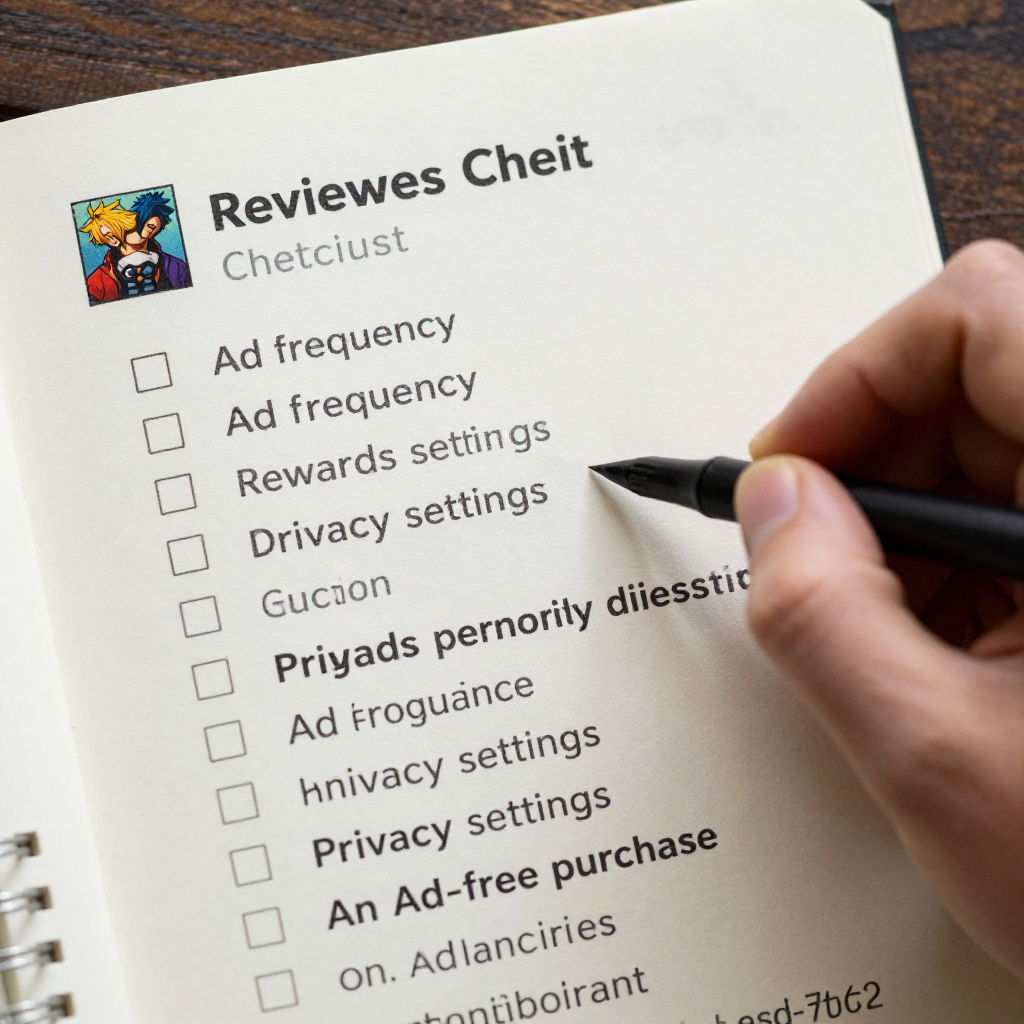
A good review should also mention whether the game offers an ad-free purchase, whether that purchase removes all major interruptions, and whether optional ads are needed to avoid unreasonable grinding. Screenshots or a short description of the ad flow can help readers understand the experience before downloading.
For game deals, the lowest purchase price does not always represent the best value. A free game with frequent mandatory ads may consume more patience than a discounted premium game. Conversely, a polished free-to-play title with occasional rewarded videos and generous updates may offer excellent value for players who accept the model.
Transparency matters. Publishers should explain advertising and data practices in accessible language, while reviewers should separate personal dislike of ads from measurable problems such as forced viewing, misleading rewards, or excessive frequency.
The Future of In-Game Advertising
The future of in-game advertising will likely combine optional rewards, contextual placements, privacy-aware targeting, and flexible ad-free payment options. Player expectations will push publishers toward advertising that respects pacing and preserves control.
More games may use contextual ads instead of detailed personal profiles. A racing game can place a relevant billboard in a track environment without needing to know much about the individual player. This approach may improve immersion while reducing some privacy concerns, although it still requires clear disclosure and responsible platform practices.
Subscription models and one-time ad-removal purchases may also become more common. These options give players a direct way to exchange money for uninterrupted play. Their success depends on fair pricing and on whether the game remains complete without constant pressure to upgrade.
Technology will create new possibilities, including dynamic worlds, interactive sponsored events, and ads adapted to screen format. The key test will remain simple: does the feature serve the game, or does the game exist mainly to serve the advertisement?
Frequently Asked Questions
Are in-game ads good or bad for players?
In-game ads can be good when they are optional, clearly rewarded, and placed at natural pauses. They become harmful when they interrupt play repeatedly, obscure controls, or make normal progression unnecessarily slow.
What is a rewarded ad in gaming?
A rewarded ad is an optional advertisement that grants an in-game benefit after viewing, such as an extra life, currency, boost, or retry. The reward should be explained before the player accepts the ad.
How do games use advertising to make money?
Games earn money when advertisers pay for impressions, completed views, clicks, or other campaign outcomes. Publishers may combine this income with purchases, subscriptions, cosmetic items, and battle passes.
Are in-game advertisements safe for privacy?
Safety depends on the game, advertising partners, platform, region, and consent settings. Players should check the privacy policy, limit unnecessary permissions, and use available advertising controls.
Can in-game ads affect game reviews?
Yes. Ad frequency, forced interruptions, unclear targeting, and weak rewards can lower a game’s review score, while restrained optional advertising may have little effect on the overall rating. A fair review should describe the actual experience rather than treat all advertising equally.